March 5, 2026
Transmission problems can cause significant disruption to a vehicle's performance and safety. Addressing these issues early with reliable local transmission repair can prevent costly repairs and ensure that your vehicle runs smoothly. A well-functioning transmission system is crucial for the overall health of your vehicle. Understanding potential problems and being vigilant about maintenance can save you from unexpected breakdowns. Let's explore some common transmission issues that shouldn't be ignored.
1. Grinding Sounds
Grinding noises often indicate that something is fundamentally wrong within your transmission system. They may stem from worn-out gears or a lack of lubrication. If left unchecked, this noise could lead to more severe damage and higher repair costs. Ignoring grinding sounds can accelerate wear and tear, eventually requiring full transmission replacement. Due to the intricate mechanisms involved, seeking professional local transmission repair as soon as these noises are heard is essential.
2. Buzzing Noises
Buzzing sounds often suggest issues with your transmission's fluid levels or pump. This sound can indicate that the fluid isn't circulating correctly due to a blockage or leakage. Ensuring proper fluid levels and quality is vital, as it prevents sections from overheating. Regular checks and prompt local transmission repair can help identify buzzing noises early before they evolve into major transmission problems. Proper fluid maintenance can save you both time and significant repair expenses.
3. Whining Sounds
Whining noises from the transmission could imply a multitude of underlying issues, from worn-out components to low transmission fluid. Such sounds are often indicative of excessive friction within the system. It's crucial to pinpoint the cause quickly to avoid damage to more significant parts, like the torque converter. Addressing these sounds early with expert local transmission repair can prevent spiraling costs and the need for a total transmission overhaul. Early intervention remains the most effective way to avoid costly repairs.
4. Humming from Gearbox
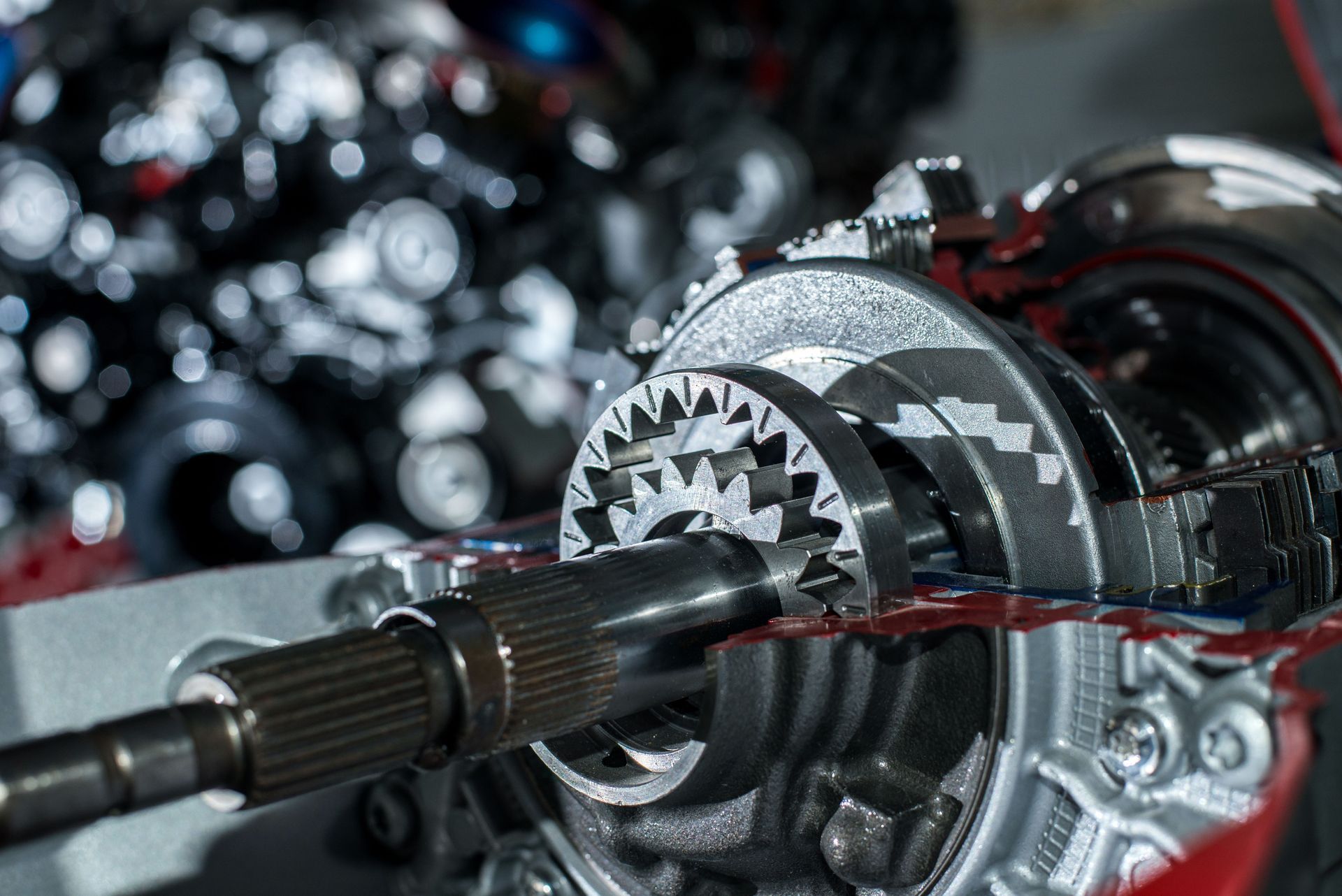
A humming sound originating from your gearbox might seem harmless at first. However, it typically indicates issues with your transmission's internal components, often linked to worn bearings or gears. This sound should serve as a warning, prompting immediate inspection and necessary repairs. Failing to address this could result in a complete failure of the transmission system. Maintaining a proactive approach and scheduling timely local transmission repair can prevent minor issues from escalating into costly repairs.
5. Clunking When Shifting
Clunking noises when shifting gears are usually a red flag for potential transmission troubles. Common causes include damaged or worn-out transmission components and low or dirty fluid levels. If not sorted promptly, these clunks can escalate, compromising safety and leading to significant mechanical failures. Such sounds demand immediate attention to avoid costly consequences. A professional diagnosis through trusted local transmission repair can prevent further transmission complications.
6. Shifting Delays
Delayed gear shifting can significantly impede your vehicle's performance. It may indicate issues with the transmission fluid, a failing transmission solenoid, or more serious internal problems. If you find that your car hesitates when shifting gears, it's critical to have this checked immediately. Ignoring delayed shifting can lead to further complications, including complete transmission failure. Identifying and resolving issues early through qualified local transmission repair can help avoid high repair costs and enhance driving comfort.
7. Slipping Gears
When gears slip unexpectedly, it can jeopardize your safety on the road. This common transmission problem often results from degraded fluid or worn-out components within the system. Gear slipping can lead to a lack of power and control while driving, increasing the risk of accidents. It's important to rectify the issue as soon as it arises to maintain the safe operation of your vehicle. Addressing the root cause early ensures the longevity and reliability of your transmission.
8. Sticking Gears
Stuck gears are a transmission issue that can lead to major driving frustrations. This problem is often due to mechanical or hydraulic failures within the transmission. Stuck gears prevent smooth driving and can cause abnormal wear on the transmission system. Persistence of this problem without repair could necessitate a transmission replacement, costing between $2,500 and $7,500, according to CarTalk. Seeking professional assistance quickly can mitigate extensive damage and preserve transmission integrity.
9. Shifting Harshly
Harsh or abrupt shifting between gears can result in a jarring experience on the road. Such abrupt shifts may be due to fluid issues, worn clutches, or faulty sensors within the transmission. If not addressed, harsh shifting can cause components to degrade faster, elevating repair costs. Prolonged neglect could turn a manageable problem into a significant repair project. Thus, addressing this issue promptly is crucial to safeguarding the vehicle's overall performance.
10. Creeping on Slopes
If your vehicle tends to creep on slopes without acceleration, it might point to transmission troubles. This creeping sensation typically arises from slipping clutches or low transmission fluid. Left unchecked, it can exacerbate transmission wear and lead to costly repairs. Ensuring timely maintenance and proper fluid levels can resolve this issue before it amplifies. Regular checks and quick responses are key to preventing more severe transmission failures.
11. Identifying Fluid Leaks
Transmission fluid leaks are often one of the first signs of potential issues within the system. Identifying these leaks involves checking for fluid pooling under your vehicle or decreased fluid levels in the reservoir. Leakages can often result from damaged seals or worn-out gaskets. Addressing these issues as soon as detected can prevent more severe damage, such as transmission overheating or failure. Early detection and repair can save you from costly expenses.
12. Knowing the Signs of Low Fluid Levels
Low transmission fluid levels can lead to a host of performance issues. Common signs include unresponsive gear shifting, overheating, and strange noises. Regularly checking fluid levels is crucial to maintaining the optimal functioning of your transmission. Addressing low fluid levels helps avoid significant mechanical failures and costly repairs. Ensuring adequate fluid levels is a simple yet effective preventative measure.
13. Finding Causes of Leakage
Leaks within the transmission system often arise from damaged seals, cracks in transmission components, or compromised gaskets. Identifying these issues early prevents escalation and potential system failures. Leakage is a warning sign that should not be ignored, as it can lead to decreased efficiency and total transmission failure. Regular upkeep and inspections are vital in preventing such leaks and ensuring the system remains in good condition. Swift intervention ensures long-term reliability and performance of the transmission system.
14. Checking the Fluid Color and Smell
An effective way to gauge transmission health is by checking the fluid's color and smell. Normally, fluid should appear bright red and have a sweet or tart smell. Dark-colored or burnt-smelling fluid often indicates overheating or contamination. Regularly assessing fluid quality can help identify issues before they develop into significant problems. Regular maintenance and observations can prevent transmission failure and additional expenses.
By being aware of these common transmission problems and addressing them promptly with dependable local transmission repair , you can ensure your vehicle remains reliable and extends its lifespan. Regular maintenance and professional inspections are key to preventing transmission woes from escalating into major repairs. The complexity of transmission systems demands vigilance and timely action to avoid avoidable costs and disruptions. Consistently monitoring your vehicle for the symptoms outlined can save you significant hassle and maintain optimal performance. Investing in regular care and maintenance significantly reduces risks and extends the life of your transmission system. Are you seeking an experienced auto repair shop that specializes in transmission repair in the Cincinnati, OH region? If so, contact Cottman Transmission and Total Auto Care today.