4 Common Causes of Transmission Failure and How to Avoid Them
Driving your vehicle each day requires a highly synchronized network of mechanical components working together to safely deliver power from your engine straight to your wheels. At the absolute center of this powertrain system sits your transmission, a complex piece of machinery that shifts gears to ensure your car moves smoothly at any speed. When your transmission is healthy, you probably never give it a second thought during your daily commutes or family road trips. However, the gear assemblies, hydraulic lines, and delicate internal valves inside the system are constantly operating under intense physical friction and extreme thermal stress. Ignoring early signs of transmission fatigue or letting minor maintenance tasks slide can rapidly introduce massive financial and safety liabilities to your vehicle.
Taking a proactive approach to your car's mechanical care is an excellent way to protect your budget and ensure your vehicle remains completely reliable on the highway. Many drivers wait until their car refuses to shift or leaves them stranded on the side of the road before seeking professional help, turning a simple maintenance item into an incredibly expensive component replacement. To keep your vehicle running smoothly, it helps to understand the exact physical problems that cause gearboxes to wear out prematurely. According to AAA Club Alliance, most cars require a transmission fluid change after 30,000 to 60,000 miles of driving. Sticking to this regular service schedule acts as a primary shield for your gears, blocking out excessive heat and internal wear. Partnering with a
local transmission repair company ensures that your vehicle is professionally monitored, saving you thousands of dollars in emergency breakdown costs and keeping your ride safe for the long haul.
Low Fluid Levels and Unmanaged System Leaks
The fluid inside your transmission is the absolute lifeblood of the entire system, performing three critical tasks simultaneously: lubricating spinning metal gears, cooling intense internal operating temperatures, and providing the hydraulic pressure needed to physically shift between gears. Unlike engine oil, which naturally burns off in tiny amounts over time, a transmission is a completely sealed network that should never lose fluid. If your fluid level drops even slightly, it almost always means you have a hidden structural leak developing along your pan gasket, cooling lines, or rubber axle seals.
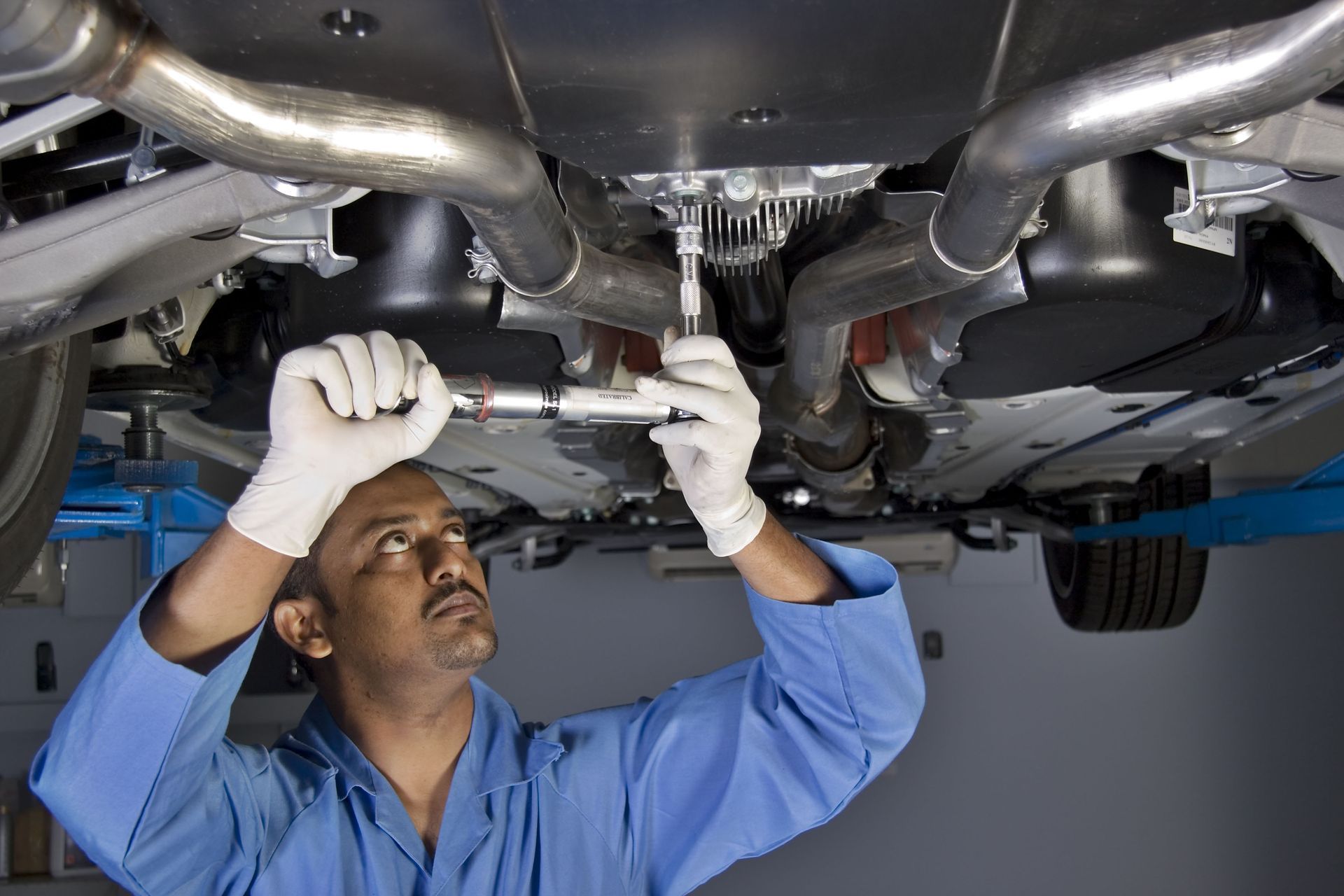
Operating your vehicle with low fluid volume causes immediate mechanical friction, as raw metal components begin to rub violently against each other inside the case. The lack of proper fluid also causes the internal operating temperature to skyrocket, which can warp delicate clutch plates and destroy synthetic seals within a few miles. Checking your garage floor for bright pink or dark red puddles is a great way to catch these fluid drops early. Bringing your vehicle to a professional shop allows technicians to safely hoist the car, locate the exact source of the leak, and replace dry gaskets before your internal gear assemblies suffer irreversible structural damage.
Overheating and Chronic Thermal Breakdown
Excessive heat is the number-one killer of modern automotive transmissions, causing internal parts to warp, crack, and fail long before their engineered lifespan. When a car is trapped in heavy stop-and-go city gridlock, carries heavy cabin loads, or tows heavy trailers up steep hills, the internal temperature inside the gearbox can climb to dangerous levels. If the fluid gets too hot, it undergoes a permanent chemical breakdown called oxidation, losing its slippery texture and transforming into a thick, dark sludge that smells like burnt toast.
Once the fluid breaks down into a sludgy glaze, it can no longer protect your internal bearings or properly cool down the moving components. The thick debris can plug up the tiny passages inside your transmission's fluid control center, jamming control valves and cutting off critical hydraulic pressure lines. To avoid this thermal destruction, you should avoid aggressive driving habits and consider installing an aftermarket auxiliary fluid cooler if you frequently tow heavy loads. Having a professional flush out old, burnt fluid restores your system's baseline cooling capacity, ensuring your car handles summer heatwaves without a hitch.
Wearing Down of Internal Clutches and Torque Converters
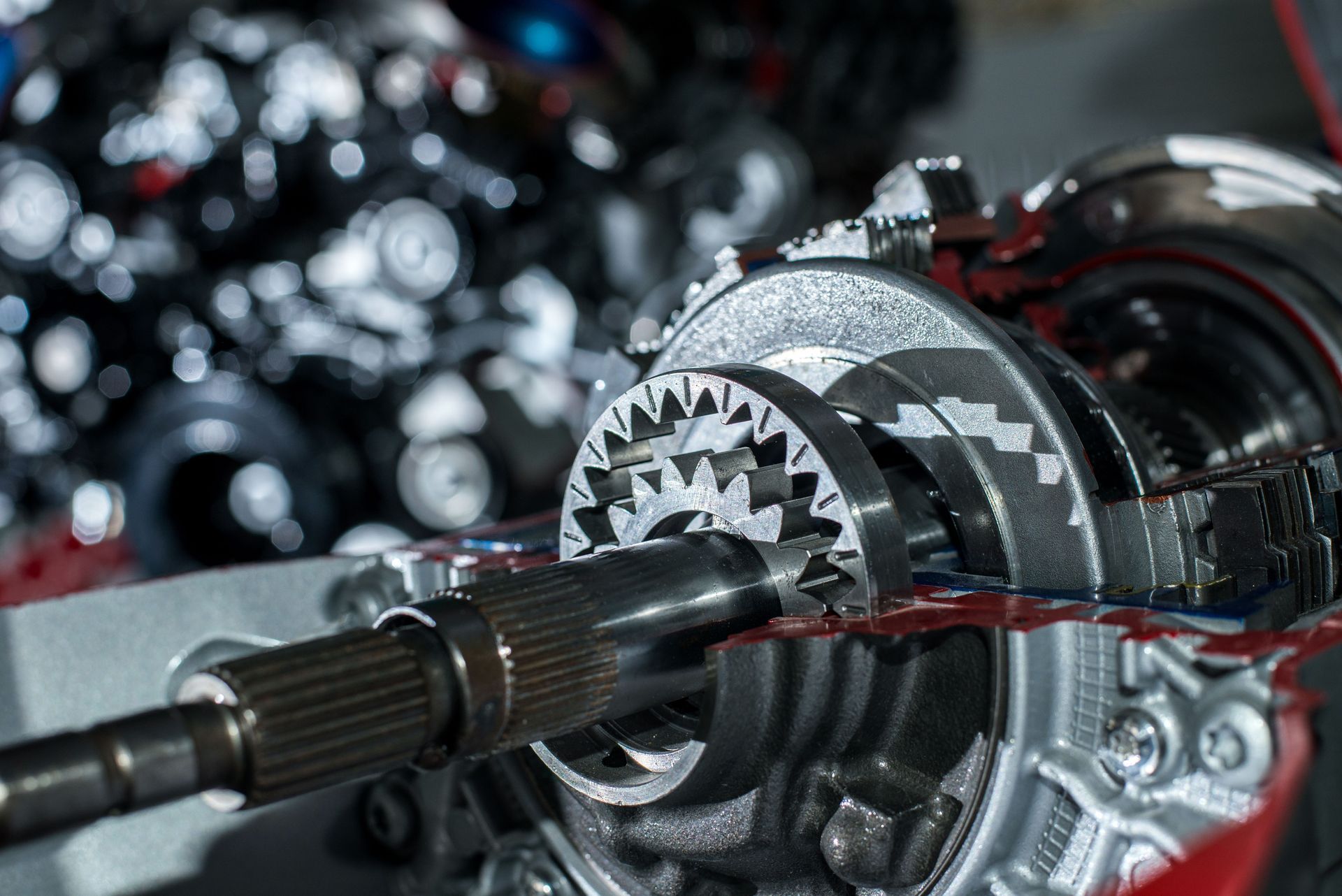
Inside every automatic transmission sits a complex series of friction clutches and a heavy hydraulic component called a torque converter, which work together to handle the smooth transition of power between gears. Over years of regular operation, the specialized friction material on the clutch discs naturally wears down from daily shifting, much like the brake pads on your wheels. If you have a habit of shifting your car from reverse to drive while the vehicle is still actively rolling backward, you subject these internal clutches to massive mechanical shocks that shave years off their lifespan.
As the internal clutches wear thin, they lose their ability to lock firmly into place, causing the transmission to slip out of gear or hesitate during acceleration. You will notice this failure when your engine revs up loudly, but your car takes several seconds to catch up and move forward down the road. This constant slipping generates extra friction heat that can rapidly melt nearby plastic electrical connectors and score the hard steel gears. Getting a regular diagnostic check allows technicians to evaluate your clutch slip ratios and hydraulic pressures early, letting you address minor component wear before it triggers a total mechanical lock down.
Ignoring Computer Sensor Warnings and Delayed Shifts
Modern vehicles utilize highly advanced onboard computers and electronic solenoids to precisely coordinate every single gear shift based on your speed and engine load. If an electronic pressure sensor goes bad or a wiring harness gets corroded by road salt, the computer can lose its connection to the transmission completely. When this electronic communication breaks down, your car might suddenly shift roughly, get stuck in a single safety gear, or illuminate the check engine light on your dashboard.
Trying to drive through these rough shifts or ignoring a blinking dashboard light places immense physical stress on your car's driveshafts and universal joints. What feels like a major mechanical failure is frequently just a simple electronic sensor that needs a quick replacement. Technicians utilize advanced digital scan tools to plug into your car's computer, read the hidden trouble codes, and pinpoint the exact failing electrical component within minutes.
Sustaining a healthy, smooth-shifting vehicle requires a long-term commitment to preventive care, clean fluids, and professional mechanical diagnostics. Your car's transmission is an incredibly complex engineering marvel, and attempting to fix internal gear issues with cheap store-bought fluid additives or ignoring minor shifting glitches will only lead to catastrophic system failures. Shifting your car with care and keeping an eye out for fresh fluid spots on your driveway are simple habits that protect your vehicle from sudden, expensive trouble.
When you take the time to invest in regular fluid checks and mileage-based servicing, you unlock higher performance from your vehicle and gain total confidence on every single trip you take. Regular maintenance ensures your gears shift effortlessly, keeps your engine running efficiently, and helps your car retain its maximum resale value over time. If you notice a strange clunking noise under your dashboard, experience rough shifts, or realize you have passed your milestone service marker, do not wait for the system to stop working completely. Visit Cottman Transmission and Total Auto Care, a local transmission repair company online today to view your maintenance options, flush out old debris, and schedule a professional system checkup.